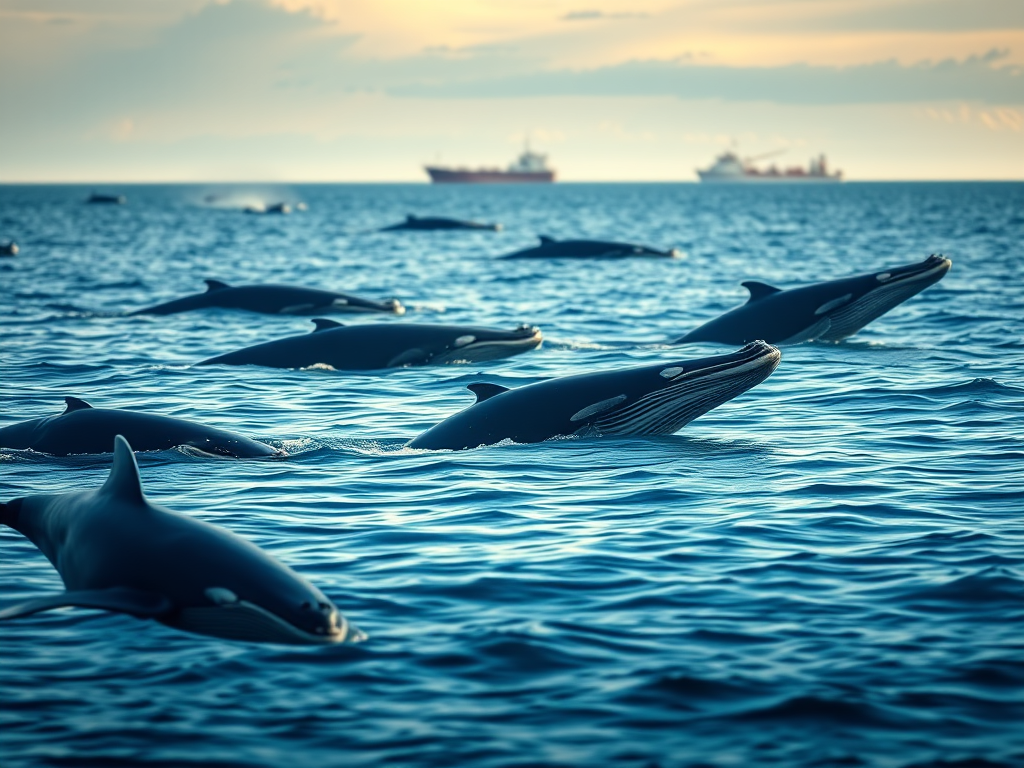
How Vessel Traffic Threatens Whale Populations in Chile’s Gulf of Ancud
The Gulf of Ancud, situated in southern Chile, is a biologically rich and ecologically vital habitat for a variety of marine species, including whales. However, escalating vessel traffic due to fishing, tourism, and transportation is exerting increasing pressure on this fragile marine environment. This article explores the profound impact of ship congestion on whale populations and the critical conservation risks these majestic animals now face.
Ship Congestion and Its Impact on Whale Health and Behavior
Whales in the Gulf of Ancud—particularly blue, humpback, and sei whales—depend on this region for feeding and migration. With more vessels navigating these waters, the threat of ship strikes drastically increases. Slow-swimming whales and calves are particularly vulnerable to collisions, often resulting in serious injury or death. Despite the size of whales, they are not always easily visible to captains, especially under poor weather or nighttime conditions.
Beyond physical strikes, the persistent hum of engines and sonar waves creates noise pollution, which severely interferes with whale communication and navigation. These marine mammals rely on echolocation to find food, avoid predators, and connect with other pod members. Interruption of these acoustic signals can disorient whales, disrupt breeding patterns, and fragment social structures, ultimately endangering entire populations.
Ecological Disruption and Conservation Challenges
Increased vessel activity doesn’t only endanger whales directly. Ship routes often pass through key feeding grounds, where the presence of boats can drive fish schools away or introduce pollutants that degrade food quality. Whales may be forced to expend more energy searching for food or retreat to less optimal areas, impacting their nutrition and reproductive health over time.
Moreover, vessel traffic is a vector for the introduction of invasive species and marine pollutants, such as oil and plastic waste, undermining the entire marine ecosystem. Conservation efforts are further hampered by inadequate regulatory frameworks and limited enforcement capacity in Chilean waters. Without proactive zoning laws, speed regulations, or designated marine protected areas in the Gulf of Ancud, whales remain highly exposed and unprotected from human intervention.
Conclusion
As ship congestion grows in Chile’s Gulf of Ancud, whale populations face an array of escalating threats, from deadly collisions to noise pollution and ecological disruption. To ensure the survival of these vulnerable species, it is essential to implement stricter maritime regulations and invest in sustainable marine traffic management. Protecting this biodiverse region means protecting the future of the whales that call it home.
Leave a Reply