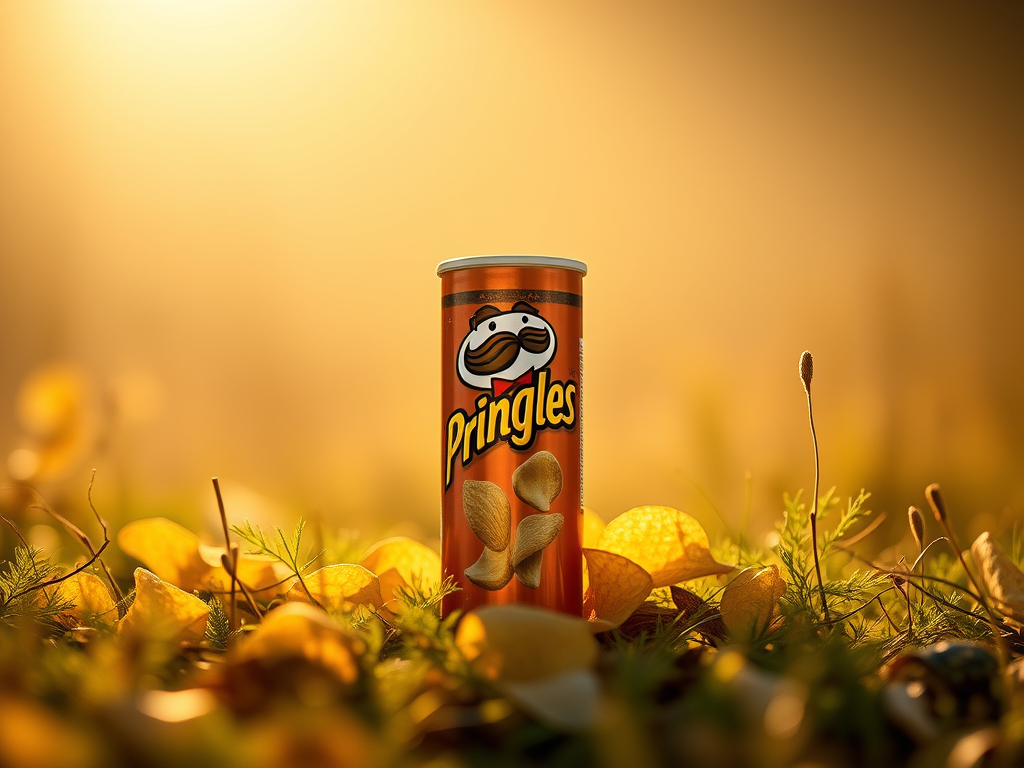
What was so special about Fred Baur, the inventor of the Pringles can, that he requested to be buried in one? It might sound unusual, but Fred Baur, the brilliant mind behind the iconic Pringles can, made a final request that perfectly reflected his deep connection with his invention. This article explores Baur’s life, his groundbreaking innovation, and why he chose a Pringles can as part of his final resting place.
The Genius Behind the Pringles Can
Fredric J. Baur wasn’t just another food packaging engineer. With a Ph.D. in organic chemistry and a career at Procter & Gamble, Baur wanted to fix what many snack lovers saw as a persistent problem: the inconsistency and breakability of potato chips. Traditional chip bags often left consumers with crushed chips and greasy hands—something Baur sought to change forever.
In 1966, Baur revolutionized the snack food industry by inventing a unique packaging solution: a tubular can made from a combination of metal and cardboard, designed to protect stacked, uniform chips from breakage and spoilage. This wasn’t just a clever marketing gimmick. It was engineering brilliance. Each chip was a curved hyperbolic paraboloid, shaped and stacked with precision. The can preserved freshness and shape—offering a neat, efficient solution to a messy problem.
The Pringles can was more than packaging; it was a symbol of innovation at the intersection of design, science, and consumer behavior. Though Baur retired long before the product became a household name, he remained immensely proud of his contribution to modern snacking.
Why He Asked to Be Buried in a Pringles Can
Fred Baur’s request to have part of his cremated remains buried in a Pringles can may sound quirky, but it speaks volumes about the pride he took in his creation. Baur’s children honored his wish in 2008, placing part of his ashes in an original Pringles container and burying it along with an urn and traditional burial arrangements.
This unusual request was not about eccentricity, but identity. For Baur, the Pringles can wasn’t just a product he designed; it represented a legacy of innovation and impact. It was his greatest professional achievement—melding science with practicality in a way that transformed how snacks were stored, sold, and consumed around the world.
The gesture resonates even more in today’s culture, where legacy branding and personal contributions are increasingly emphasized. Fred Baur owning his legacy in such a literal, personal way serves as a powerful symbol to inventors and creators of all stripes. When passion and purpose align, even a can of chips can become a defining moment of a life well-lived.
In conclusion, Fred Baur’s invention of the Pringles can wasn’t just a clever piece of packaging—it was a revolution in food storage that emerged from a deep understanding of science and consumer needs. His unique burial request underscores the emotional pride he felt in his landmark creation. In choosing the Pringles can as his vessel, Baur sealed his legacy both symbolically and literally.
Leave a Reply